The Story of the American River
All that happened on these waters happened throughout the Western United States.
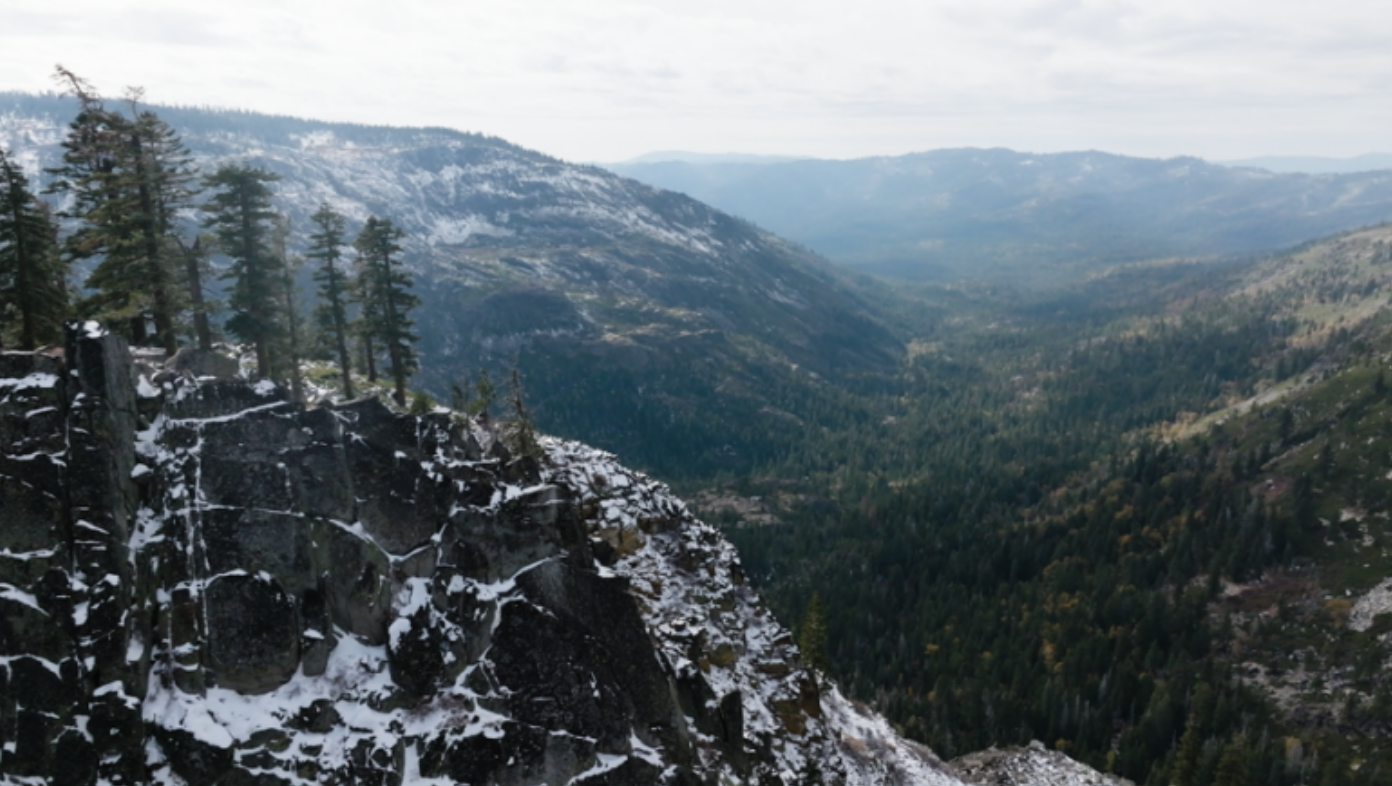
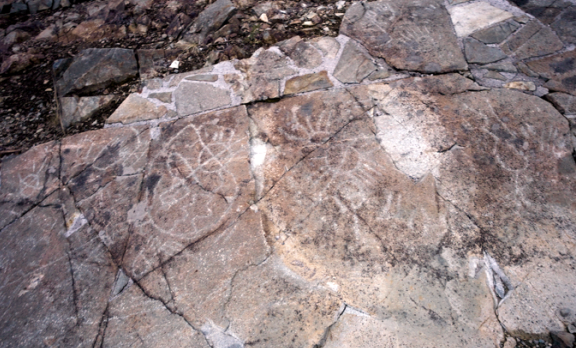
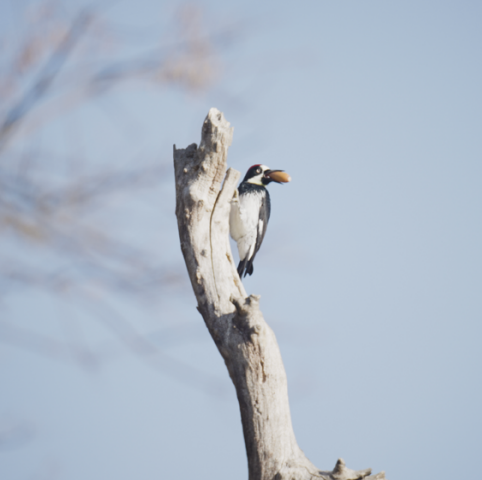
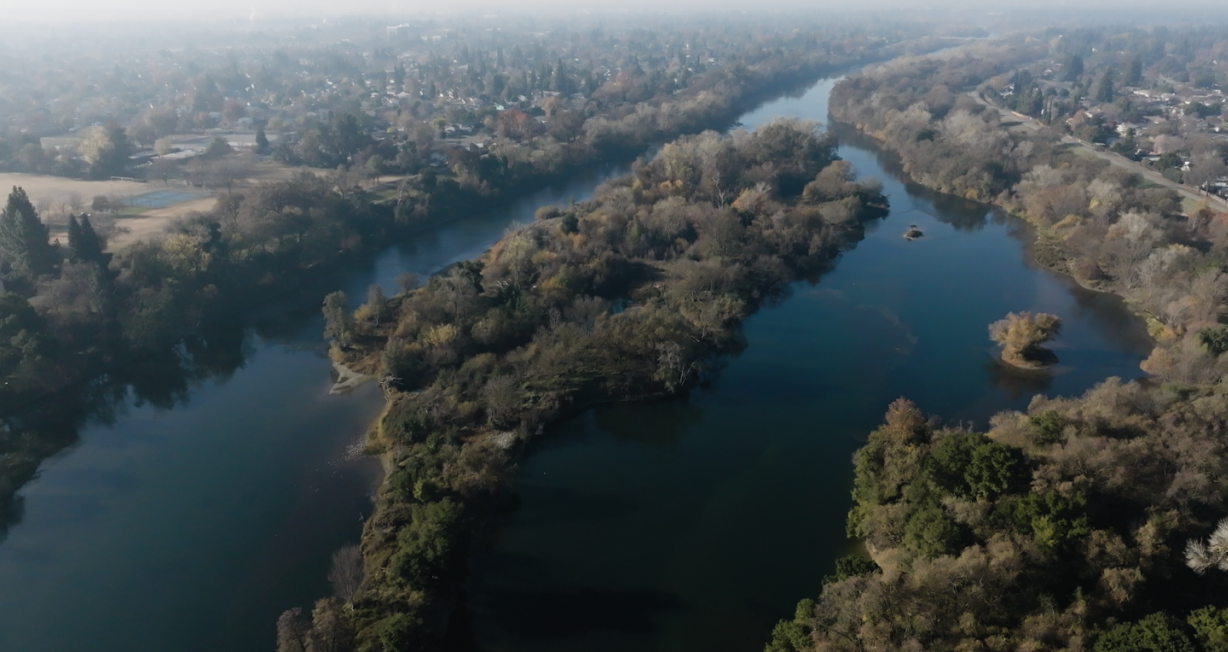
The first flows. The American River ecosystem is fed by the headwaters and tributaries formed by melting snow in the deep wilderness of the Sierra Nevada mountain range. The waters then flow into the city of Sacramento, where its waters meet the Sacramento River, the delta, and the San Francisco Bay, and into the ocean. The wildlife that congregate along its shores and in its waters are some of the best in the West - mountain lions, coyotes, bears, beavers, otters, owls, eagles, osprey, salmon, sturgeon, caddis flies, and much more. The river’s cultural history is deeply rooted in the history of the Martis people more than 5,000 years ago to the Nisenan (Southern Maidu), Miwok, and Wintun (Patwin), who formed villages and gathering places along the river.
The gold. The American River’s more recent history is rooted in a collective human-nature trauma. The American River system was ground zero for the Gold Rush in the 1850s, a time period that catapulted the river and its people into an unrecognizable existence. The Gold Rush mining rapidly progressed from a simple man finding a shiny gold nugget, to people on the shores panning for gold, to mining companies using the river’s own water to blast the mountains and bluffs (hydraulic mining). The latter silted up the river system all the way to the San Francisco Delta, raising its level by several feet. Not only was the river silty and turbid, but the river also flowed with poisonous mercury to extract gold. The Gold Rush and subsequent colonization fueled a genocide that decimated the native people, their villages and their gathering places. In 1851, California's first governor, Peter Burnett, declared a "war of extermination" against Indigenous peoples. Treaties were signed, but never ratified in Congress. Thousands of indigenous people died or were forcibly removed/re-educated in a multi-generational attack. Later in the 19th/20th century these seekers of gold would further scour the rocks and gravel with dredgers to find and remove every last gold nugget that could have been missed by their predecessors, destroying the river bed for salmon. This intertwined environmental destruction generated some of the nations first environmental laws. For the people, there are now efforts of tribal reconciliation, through ancestral land return and repatriation and environmental co-stewardship. The trauma of the river and the people who lived alongside it for hundreds of generations is still evident, as to unravel the connection is to unravel the fabric of the other.
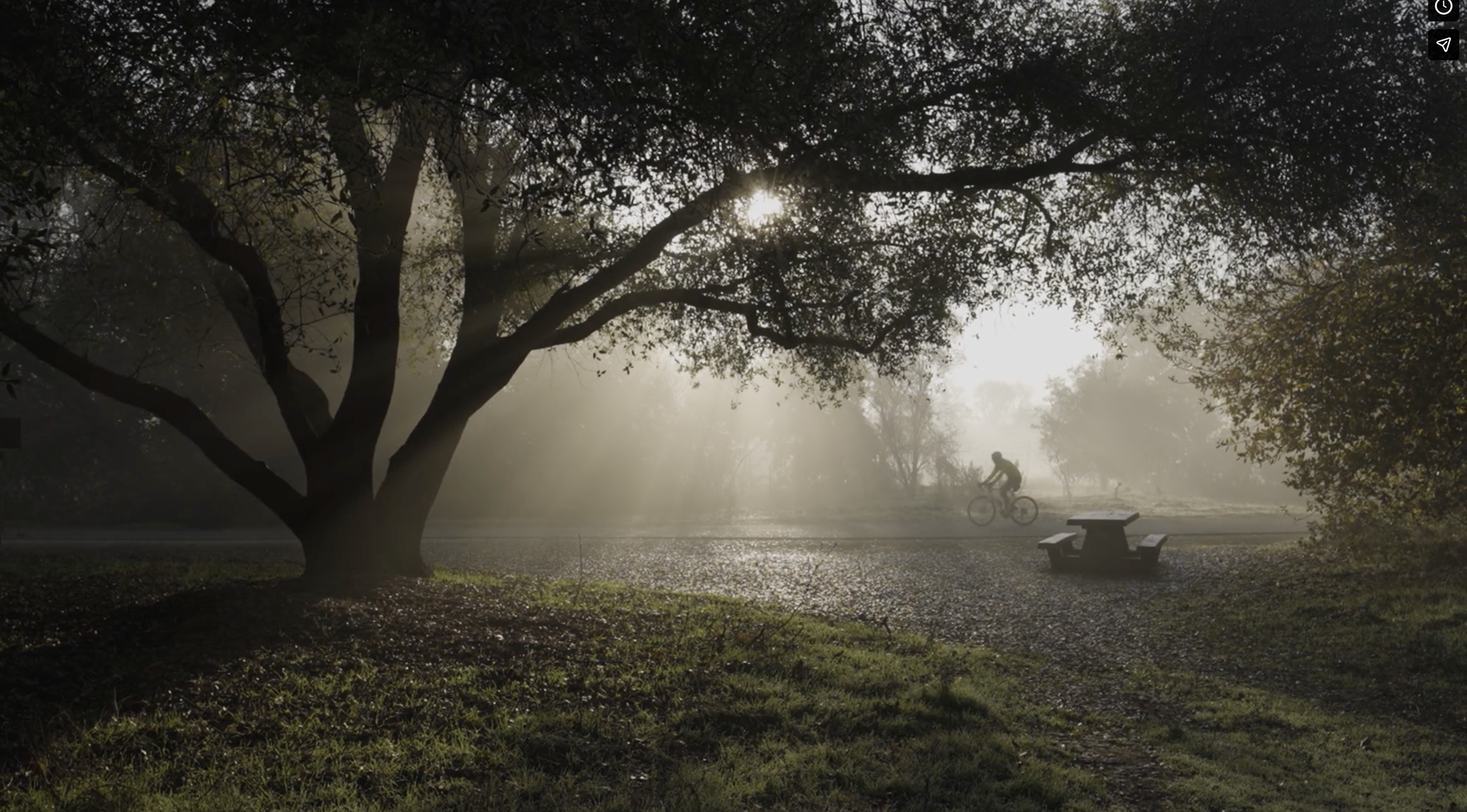
The life force. What remains today is a river that bounds down from the mountain tops to urbanity, carrying a force of life vivifying all it passes on its meandering journey to the sea. In its most recent history the river can tell stories of a dam that stopped its waters, another dam that almost was, and the many people who fight to keep its waters flowing hard and long out to sea. What have we learned from the lessons of the river, from what changed and what has healed? How has our environmental ethic evolved over time?
The film. The Story of the American River is told through the life that is sustained by this river and by the people who fight to sustain the river as a life force. This three-part documentary series explores the intricate ecosystem of the American River and the interweaving human history. The series does a deep dive into history – where the confluence of cultural, geologic, and natural histories connect, from indigenous life and perspectives before gold transformed the river system to present day conservation efforts keeping the banks wild.
The American River Ecosystem is one of the most beautiful and revered regions in our nation, a designated Wild and Scenic river. Its preservation is essential as a lifeblood for the wildlife, but also for the peace and solace it provides the people. While many see the river from the edge of the city, few people are aware of the depth of its ecological and historical significance. Where the American River runs, it charts a course of human and environmental history emblematic of and essential to the American West.
About The Story of the American River